
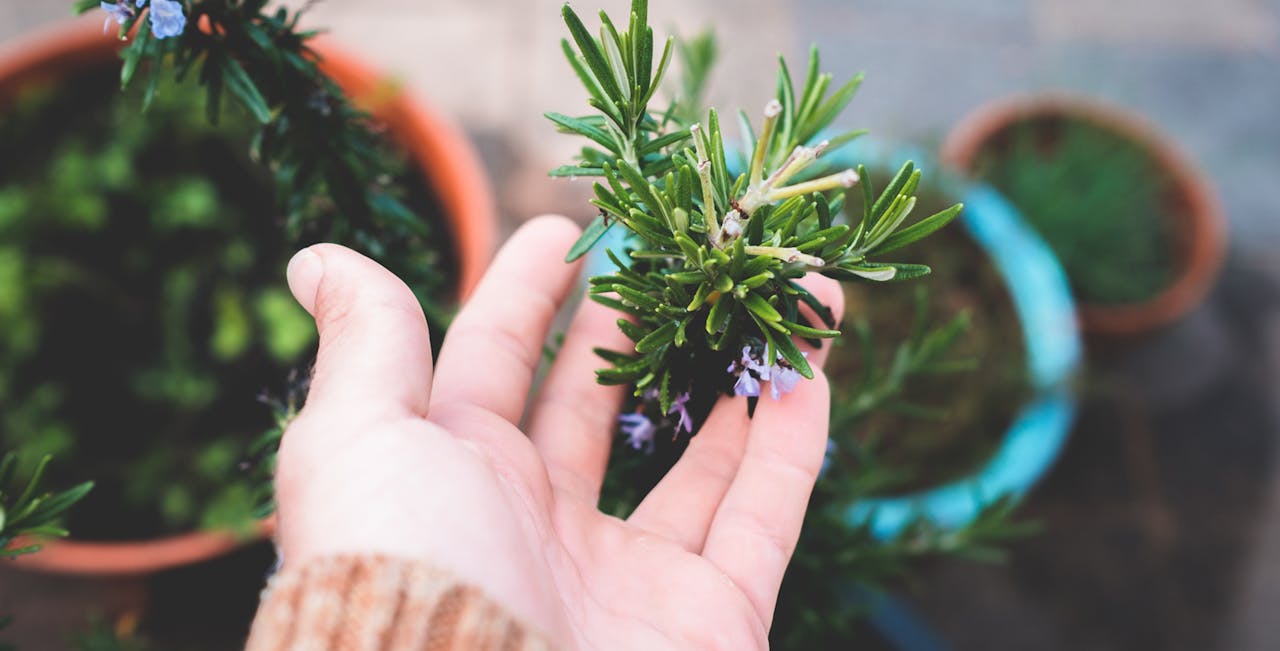
Natural remedies for hair loss are gaining popularity, and rosemary oil often tops the list. But is there real science behind this trend, or is it just another social media myth?
In recent years, many people have turned to essential oils as gentler alternatives to chemical treatments. Among these, rosemary oil stands out due to its traditional use and increasing buzz online. However, before adding it to your hair care routine, it’s worth exploring what current research says. After all, not everything that trends on social media is backed by science. So, let’s dive into the evidence behind rosemary oil and its potential to support hair growth.
What Does Research Say?
A 2015 study compared rosemary oil with minoxidil (2%), a standard treatment for androgenic alopecia.
Key Findings:
- Both groups showed increased hair count after 6 months.
- Rosemary oil performed similarly to minoxidil in reducing hair loss.
- Bonus: Rosemary oil caused less scalp itching compared to minoxidil.
- Reference: Panahi Y et al., Skinmed. 2015;13(1):15-21.
How Does Rosemary Oil Work?
Besides the oil, rosemary water is also available, though its benefits are not well-established yet.
- Increases blood circulation to hair follicles
- Reduces DHT (a hormone linked to hair loss)
- Acts as an anti-inflammatory and antioxidant
How to Use Rosemary Oil for Hair Growth:
- Dilute: Mix 3–5 drops with a carrier oil (like coconut or jojoba oil)
- Massage: Gently massage into scalp for 5–10 minutes
- Leave On: Minimum 30 minutes, or overnight
- Frequency: 2–3 times a week for best results
Caution:
- Always do a patch test first.
- Avoid contact with the eyes.
- Not recommended for pregnant women without medical advice.
Conclusion:
Interestingly, if you prefer natural remedies, rosemary oil appears to be a promising option for promoting hair growth. Not only is it affordable and easy to use, but it’s also supported by some encouraging clinical evidence. That said, for best results, it’s essential to take a holistic approach—maintaining a clean, nutrient-rich diet, minimizing processed foods, exercising regularly, getting quality sleep, managing stress, and reducing exposure to environmental pollutants can all contribute significantly to healthier hair.
Follow us on Instagram and Facebook for the right information on Nutrition!