
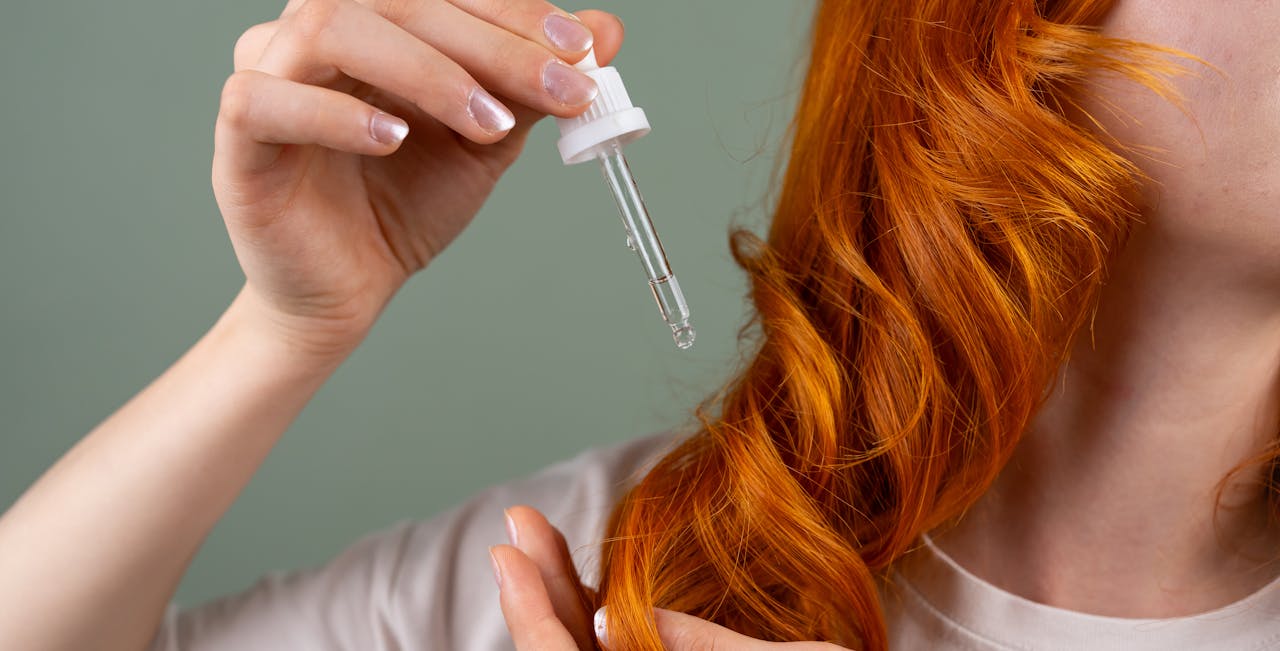
Hair is often considered a person’s crowning glory, and for good reason. It plays a key role in our identity, self-expression, and confidence. Yet, many people struggle with issues such as hair fall, premature greying, thinning, or stunted growth. While the beauty industry is overflowing with pharmaceutical and synthetic solutions, there is a growing interest in natural care practices that align better with long-term health and sustainability.
This guide takes a deep dive into understanding human hair, the biological lifecycle it undergoes, common gender-specific challenges, and proven natural strategies to promote hair health, reduce hair fall and greying, and even support regrowth.
What Is Human Hair Made Of?
Human hair is made primarily of a protein called keratin, produced in hair follicles in the outer layer of the skin. Each strand of hair has three layers:
- Medulla (innermost core, found in thicker hair)
- Cortex (middle layer, containing melanin for color and keratin for strength)
- Cuticle (outer protective layer)
Hair does not have nerves or blood vessels and is considered “dead” tissue, but its roots are alive and require nourishment.
The Lifecycle of Human Hair (Anagen, Catagen, Telogen, Exogen)
Each hair follicle undergoes a cycle of growth and rest.
- Anagen (Growth Phase): Lasts 2–7 years. About 85-90% of hair is in this phase at any given time.
- Catagen (Transition Phase): Lasts 2–3 weeks. Hair detaches from the blood supply.
- Telogen (Resting Phase): Lasts ~3 months. Neither growth nor loss.
- Exogen (Shedding Phase): Hair is released and falls out; new hair begins to grow underneath.
Gender Differences:
- Men are more prone to androgenic alopecia (male pattern baldness) due to DHT sensitivity.
- Women often experience diffuse thinning, especially due to hormonal imbalances (e.g., PCOS, menopause).
Reference: Sinclair, R. (2007). Hair biology and disorders. Clinical and Experimental Dermatology. https://doi.org/10.1111/j.1365-2230.2007.02606.x
Common Hair Challenges by Gender
Men:
- Male pattern baldness (DHT sensitivity)
- Receding hairlines
- Thinning at the crown
- Nutrient deficiencies (iron, zinc, B-vitamins, D-vitamin)
Women:
- Telogen effluvium (stress-induced hair fall)
- Postpartum hair loss
- PCOS-related hair thinning
- Nutrient deficiencies (iron, zinc, B-vitamins, D-vitamin)
Natural Ways to Support Hair Health & Growth
A. Nutritional Support for Hair
- Protein-rich diet: Hair is 95% protein.
- Iron & Zinc: Essential for growth. Sources: pumpkin seeds, spinach, and lentils.
- Vitamin D & B-complex: Especially B7 (biotin).
- Omega-3 fatty acids: Reduce inflammation and support follicle health.
Reference: Almohanna HM et al. (2019). The Role of Vitamins and Minerals in Hair Loss: A Review. Dermatology and Therapy. https://doi.org/10.1007/s13555-018-0278-6
B. Scalp Massage & Circulation
- Increases blood flow to follicles.
- Use oils like rosemary, peppermint, coconut, or castor oil.
- Massage 2–3 times per week for 5–10 minutes.
Reference: Okajima M. et al. (2016). Effects of scalp massage on stress hormones, heart rate, and blood pressure in healthy female participants. J Phys Ther Sci.
C. Herbal & Natural Topicals
- Rosemary Oil: Comparable to 2% minoxidil for androgenic alopecia.
- Fenugreek Paste: Strengthens hair, reduces fall.
- Amla (Indian gooseberry): Rich in Vitamin C and antioxidants.
- Onion juice: May promote growth in patchy alopecia areata.
D. Lifestyle Adjustments
- Regular exercise improves blood circulation.
- Yoga & meditation reduce cortisol and hair loss.
- Prioritize quality sleep (7–8 hrs) for hormonal balance.
E. Avoiding Harmful Practices
- Avoid excessive heat (straightening, curling)
- Reduce tight hairstyles
- Avoid chemical-laden shampoos and dyes
- Wash hair 2–3 times a week with mild, natural shampoo
F. Natural Remedies for Premature Greying
- Black sesame seeds: Used in Ayurveda
- Curry leaves: May support melanin production
- Bhringraj oil: Traditional Ayurvedic remedy
- Avoid smoking, which accelerates greying
Reference: Arora P et al. (2020). Premature Graying of Hair: Review with Updates. Int J Trichology. https://www.ncbi.nlm.nih.gov/pmc/articles/PMC7449620/
Do’s and Don’ts of Natural Care
Do’s:
- Eat a balanced, nutrient-rich diet
- Use a satin/silk/cotton pillowcase to reduce breakage
- Stay hydrated
- Trim split ends regularly
- Protect your head from harsh sun and pollution
Don’ts:
- Avoid washing with hot water
- Don’t brush wet hair aggressively
- Avoid over-washing or under-washing
- Don’t skip scalp care
- Limit chemical treatments
Conclusion:
Healthy hair starts from within. By understanding the science and nurturing it through holistic, natural practices, you can significantly reduce common issues like hair fall, premature greying, and poor regrowth. It might not be an overnight transformation, but with patience, consistency, and care, your hair can thrive naturally—without relying on harsh pharmaceutical products.
Follow us on Instagram and Facebook for the right information on Nutrition!